

8 min readBots
How a partially filled order distorts your records
When half an order fills, the position counts as open but smaller than planned. Average cost, stop size, and the one check a bot has to run.
Read article
Finbula Blog
Notes from the Finbula team to help you evaluate AI analysis, signals and your portfolio with more context.
8 min readBots
When half an order fills, the position counts as open but smaller than planned. Average cost, stop size, and the one check a bot has to run.
Read article

8 min readBots
Once the limit is crossed the exchange refuses requests and the bot reads that as a market event. Weights, backoff, and keeping the order path separate.
Read article

8 min readMarkets
The three order types do not do the same job. Which one guarantees the price, which guarantees the fill, and the case where a stop never fills at all.
Read article

8 min readMarkets
If three candles are absent from an hourly chart, the indicator never saw those three hours. Three causes of a gap, and the most misleading way to fill one.
Read article

8 min readPortfolio Management
Annual return tells you what a strategy earned. Maximum drawdown tells you whether you would still be running it, and the link between the two is arithmetic.
Read article

7 min readMarkets
The same asset's daily chart can look different on two platforms. The cause is not the data but where the day ends, and it reaches indicators and backtests too.
Read article

8 min readBots
Costs that look small per trade get multiplied by the number of trades until they outweigh the strategy itself. How to work the cost out before you run it.
Read article

8 min readPortfolio Management
A calculation based on the change in balance counts your own deposits as gains. Two standard measures of return, and which question each of them answers.
Read article

7 min readPortfolio Management
Position size is a division of three numbers, not a percentage of the balance. How the arithmetic works and why changing two at once hides the result.
Read article
8 min readBots
The risk in a dropped connection is not that the order failed to send. It is not knowing whether it sent. Client order IDs and the reconciliation step.
Read article
7 min readMarkets
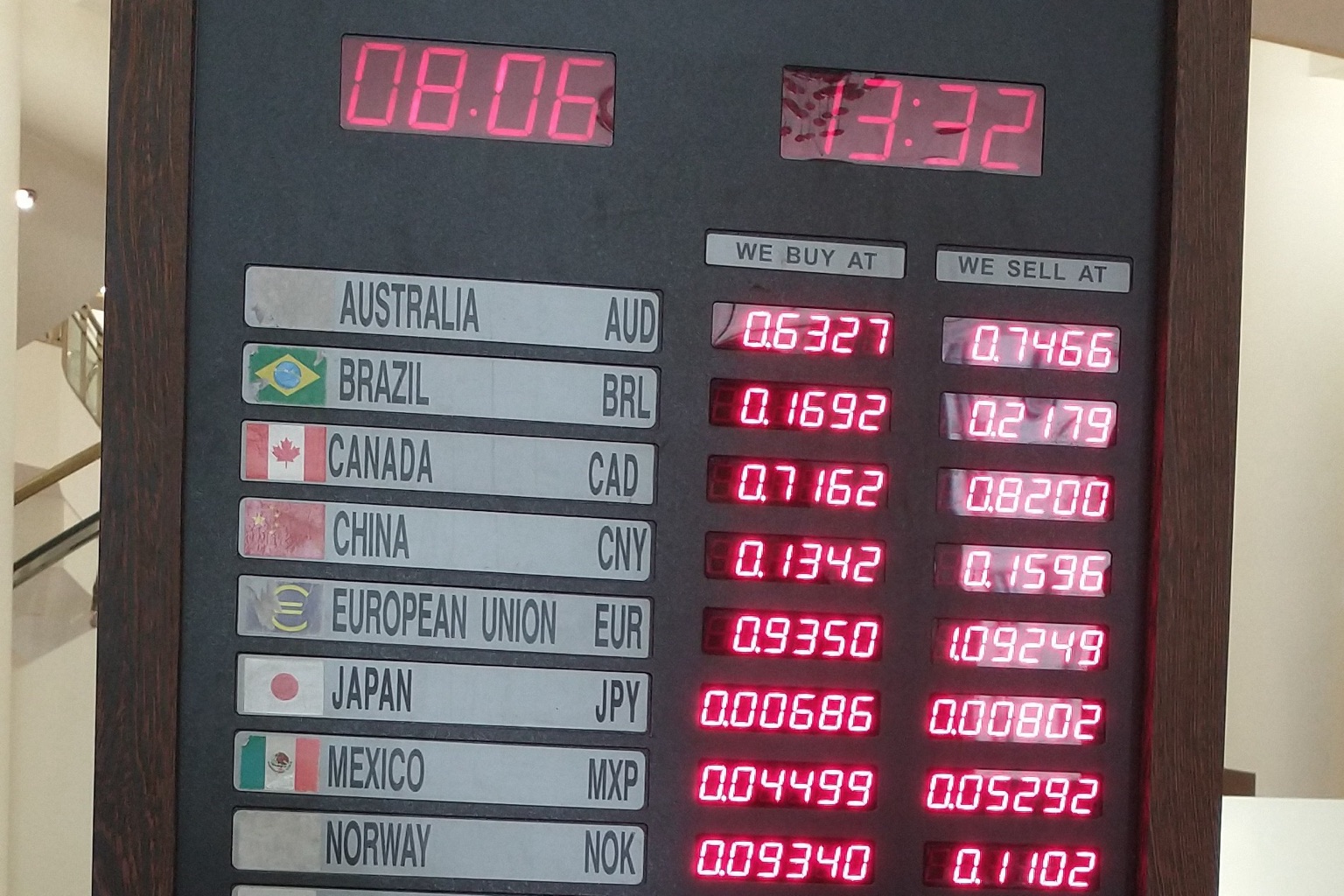
The gap isn't an error, it's the natural result of exchanges keeping separate order books. What widens it, and why the gap you see can't be taken.
Read article

8 min readBots
A backtest isn't a prediction, it's a measurement of the past. Three mechanisms that flatter the result, and how to make the test harder.
Read article
8 min readMarkets
Two assets on adjacent rows may not trade on the same calendar, in the same currency, or with the same liquidity. Four differences that break the comparison.
Read article

8 min readBots
A strategy that looks good in Demo mode can behave differently with real money. Five questions to answer first, and the stop rule to write down.
Read article

7 min readSecurity
Read-only, trade and withdrawal sit on the same screen but do not carry the same risk. What to check before you connect a key.
Read article

4 min readAI AnalysisFeatured
How confidence, sources, and counter-scenarios make an investment decision more visible.
Read article
3 min readPortfolio Management
How to read the allocation, and the context it needs, when assets are spread across separate accounts and markets.
Read article

4 min readMarket Signals
What a signal says, what it does not say, and the frame its outcomes should be read in.
Read article
No article matches this search and these filters.